Vintage gay germany
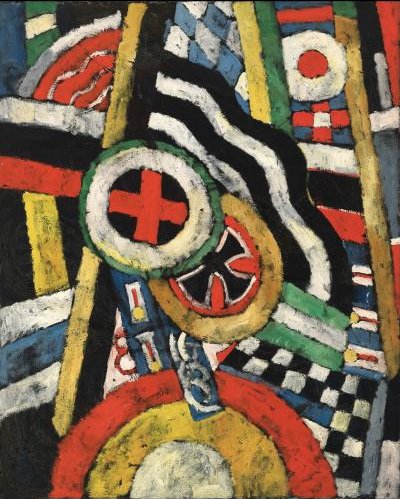
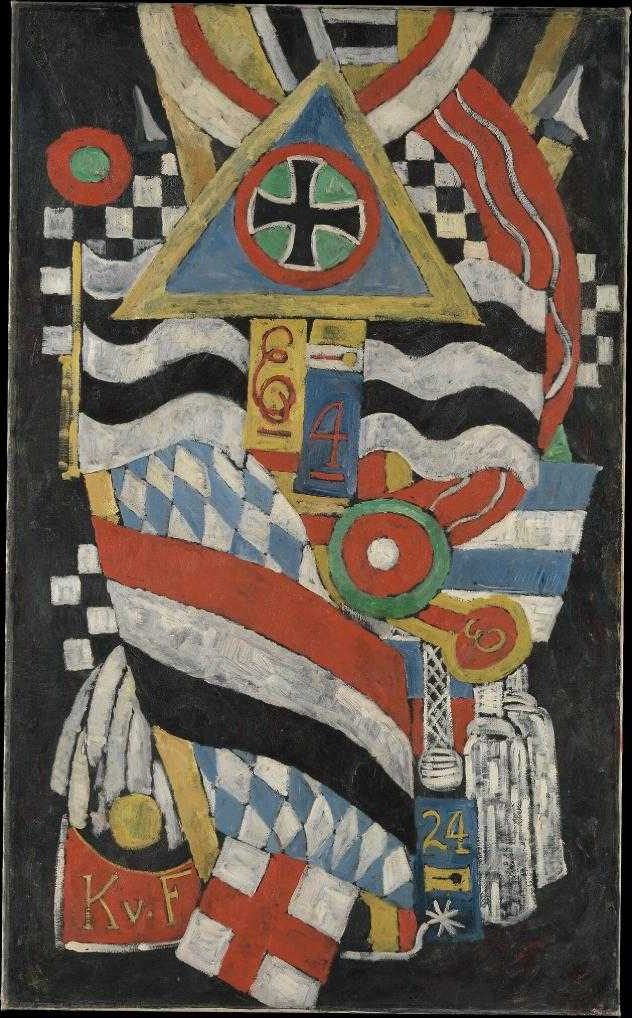
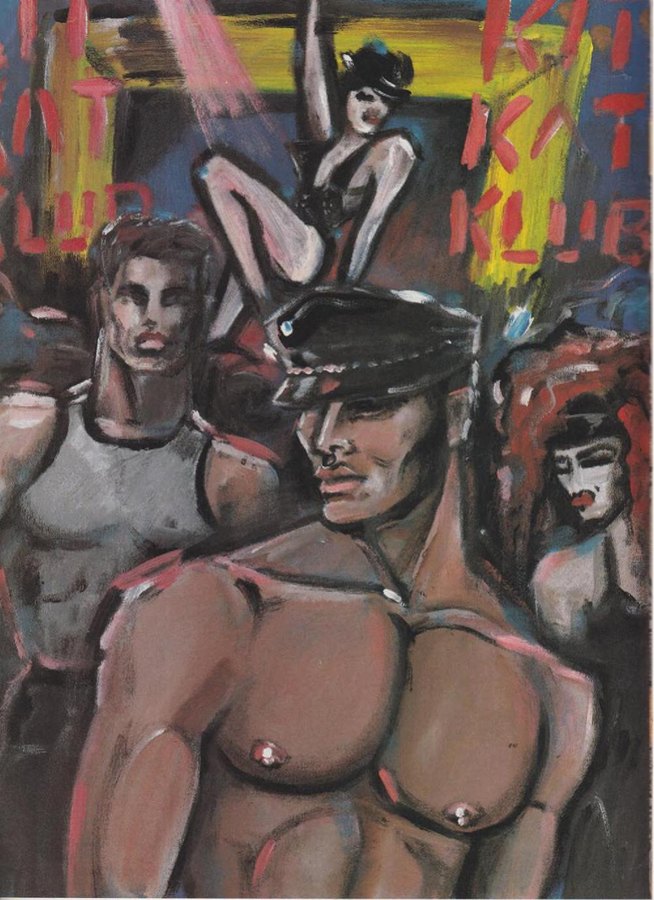
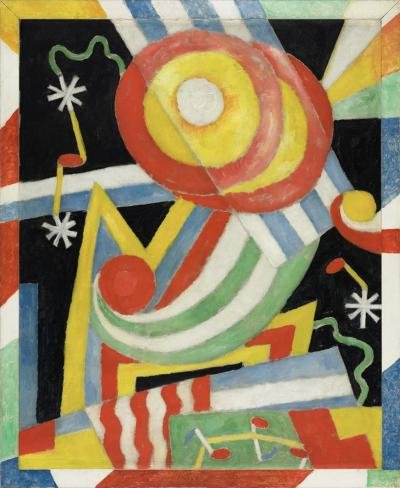
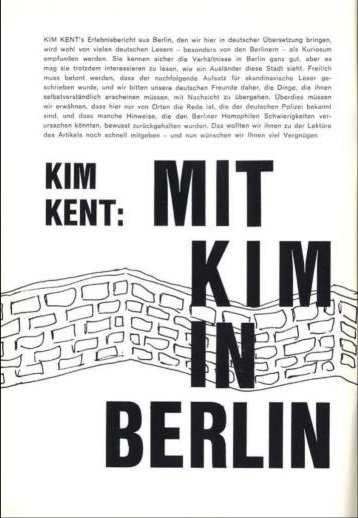
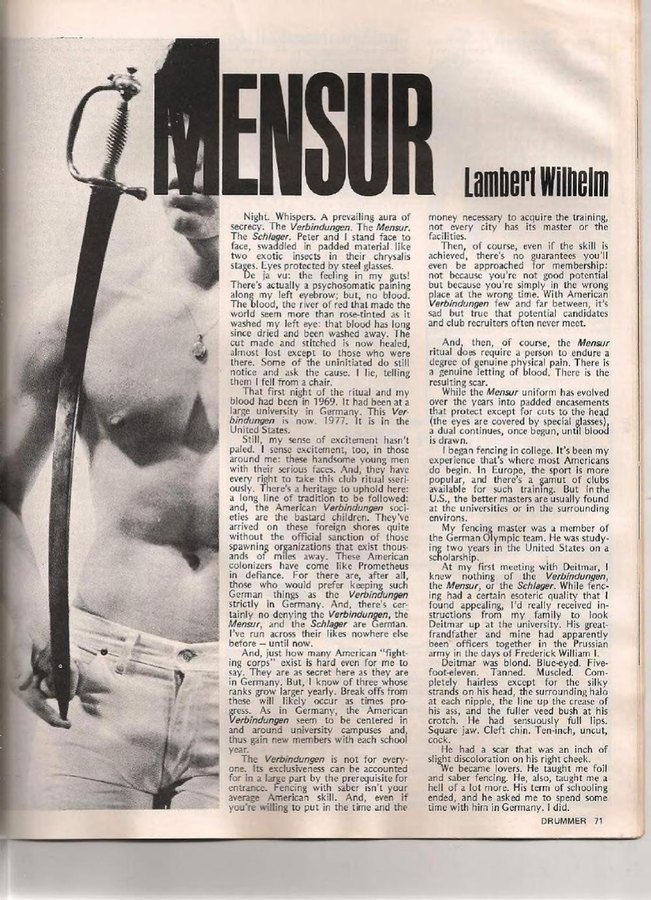
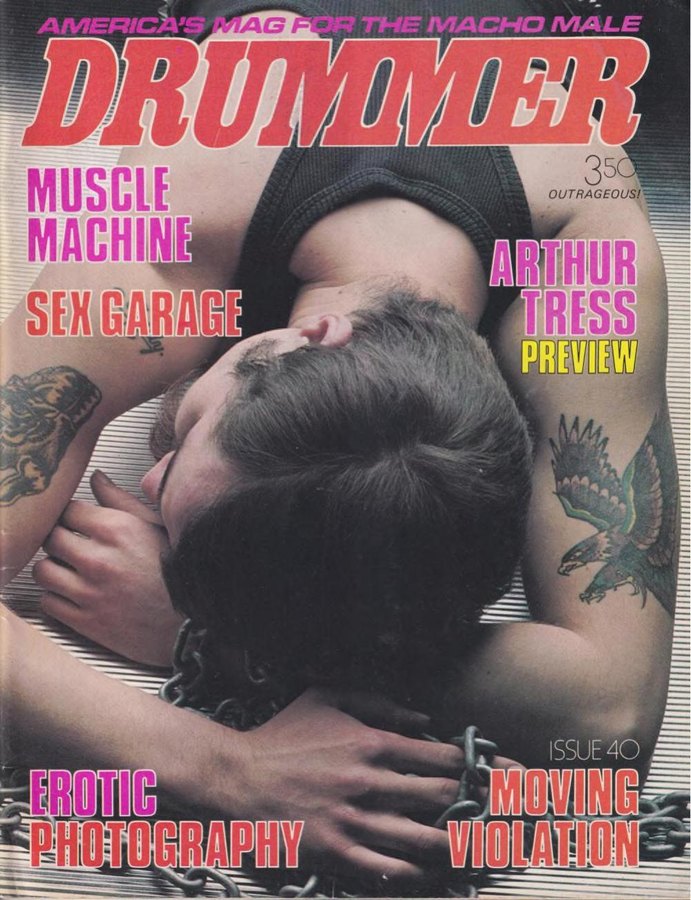
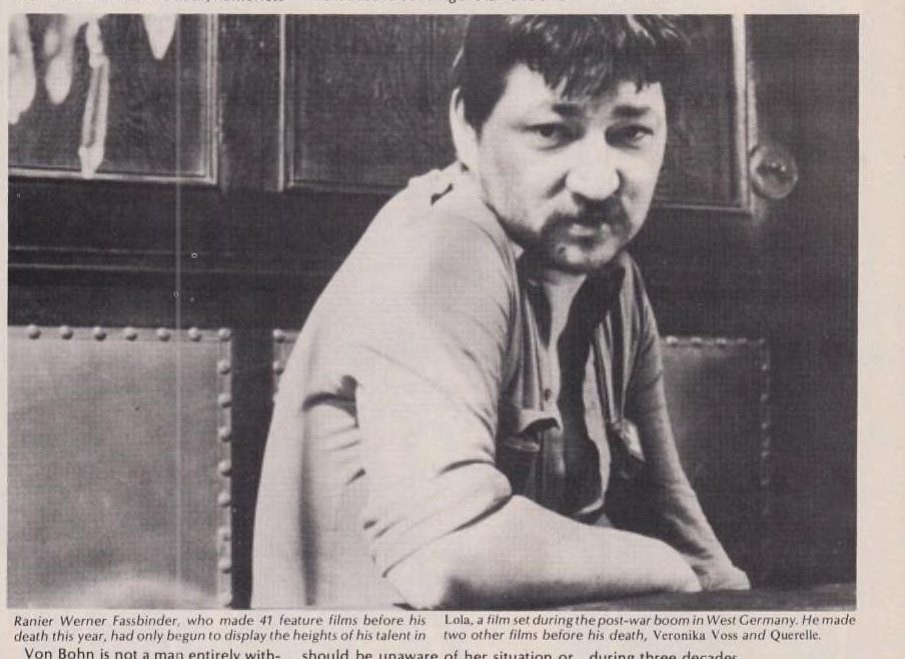
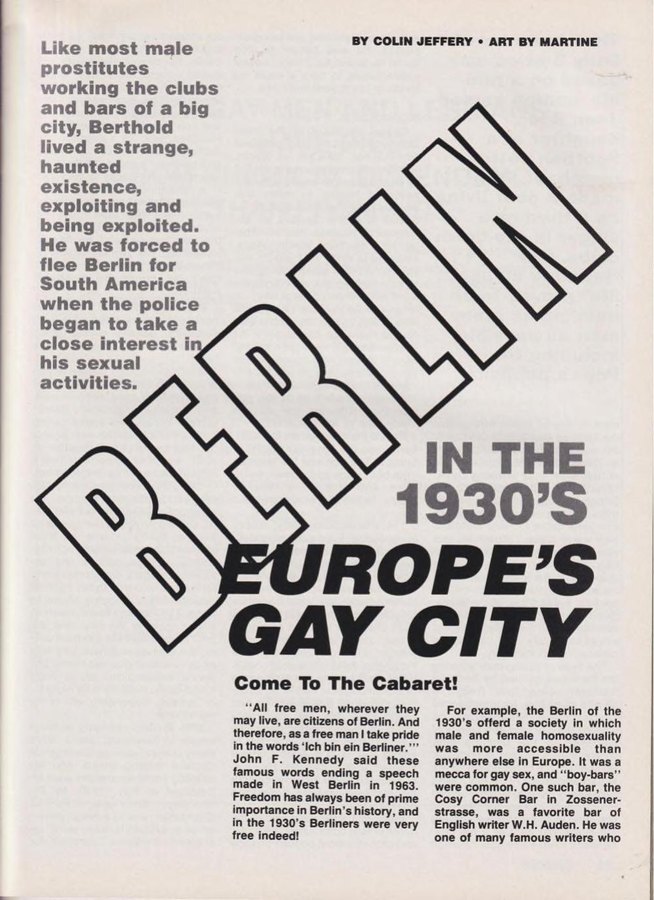
Vintage gay art connected to Germany runs from Marsden Hartley's 1913-15 Berlin paintings to 1980s American magazines looking back at the Weimar years. Berlin was the center: during the Weimar Republic nearly 200 venues catered to queer residents at one time or another, according to the German History in Documents and Images project, including the Eldorado clubs (the most famous at Motzstrasse, 1928-32) and the Cosy Corner on Zossener Strasse, a haunt of Christopher Isherwood. Magnus Hirschfeld opened his Institute for Sexual Science in Berlin in 1919. Our plates include Hartley's paintings, a 1965 Amigo feature set in Berlin, a 1977 Drummer drawing of a student fencing duel, a 1982 Drummer piece on Rainer Werner Fassbinder, and Honcho's February 1989 feature 'Berlin in the 1930's: Europe's Gay City' with a Kit Kat Klub painting by Martine.
Different from the Others (Anders als die Andern, 1919) is a German silent film directed by Richard Oswald and co-written with the sexologist Magnus Hirschfeld, starring Conrad Veidt as a gay violinist blackmailed under Paragraph 175; it survives only as a fragment.
Different from the Others is one of the first feature films to plead for the rights of gay men. Made in Berlin in 1919, it was directed by Richard Oswald, who wrote it with the Berlin sexologist Magnus Hirschfeld. Its subject is Paragraph 175, the article of the German criminal code used against gay men. Conrad Veidt plays Paul Koerner, a concert violinist who lives in fear of blackmail under that law. Hirschfeld appears on screen himself, as a physician. The UCLA Film and Television Archive's restoration runs 48 minutes.
- Released
- 1919, Berlin
- Director
- Richard Oswald
- Writers
- Richard Oswald, Magnus Hirschfeld
- Star
- Conrad Veidt as the violinist Paul Koerner
- Banned
- From public exhibition within 15 months of its Berlin premiere
- Re-edited
- 1927, as Laws of Love (Gesetze der Liebe)




Quick answers
What was gay Berlin like in the 1920s? During the Weimar Republic nearly 200 bars, clubs and meeting places served queer Berliners at various times, according to the German History in Documents and Images project. The best known included the Eldorado clubs and the Cosy Corner, and Magnus Hirschfeld's Institute for Sexual Science opened in the city in 1919.
What happened to gay Berlin after 1933? The United States Holocaust Memorial Museum says the Nazi regime began forcing gay and lesbian bars to close less than a month after taking power in early 1933. In 1935 Nazi jurists expanded Paragraph 175, and roughly 100,000 men were arrested under it during Nazi rule.
When was Paragraph 175 repealed? The Goethe-Institut notes that West Germany liberalized the law in 1969 and that Paragraph 175 was finally repealed in 1994, after reunification.
What was the first gay film? 'Different from the Others' (Anders als die Andern) premiered in Berlin on May 31, 1919, with Magnus Hirschfeld appearing as himself; it was banned after film censorship returned in 1920.
Read more