World AIDS Day was first held on December 1, 1988, proposed by James Bunn, a former KPIX reporter from San Francisco, and Thomas Netter at the World Health Organization. They picked a date between Thanksgiving and the winter holidays, when the news slows down. In San Francisco, those weeks already meant something: a ten-year protest camp at UN Plaza, brunches on the nation's first AIDS ward, and bar Christmas parties that raised money for patients.
Who started World AIDS Day, and why December 1?
Bunn joined KPIX in early 1983, as AIDS was tearing through San Francisco's gay community, and became, by the station's account, the first full-time television AIDS reporter in the country. KPIX ran nightly coverage and a public education campaign, AIDS Lifeline, built with the city health department and community groups; it won a Peabody. WHO then borrowed Bunn for its Global Programme on AIDS in Geneva, where he and his colleague Netter worked up the idea of a single world day. Bunn announced it at the 1987 International AIDS Conference, and the first one followed on December 1, 1988. CBS News reports that the date was chosen for the quiet news stretch after Thanksgiving, so editors would have room for it. Looking back in 2011, Bunn told NPR that the day's "symbolism is not insignificant."
What was Ward 5B?
Ward 5B at San Francisco General Hospital opened in 1983 as what NPR called "America's first hospital unit dedicated to the care of people with AIDS." Nurse Cliff Morrison organized the team, and Dr. Paul Volberding worked on the ward before co-founding the hospital's AIDS clinic. The rules were radical for a hospital. Partners and friends could visit whenever they were able, instead of only immediate family during set hours, and Morrison suggested letting patients define who their family was. Staff made rooms homey, touched patients for comfort and sometimes brought in pets. The ward later moved and became 5A. Dan Krauss's documentary 5B told its story and premiered at the Castro Theatre.
Who was Rita Rockett?
The ward's party planner. According to the Bay Area Reporter's BARchive column by Michael Flanagan, Rockett had worked at The Balcony on Market Street and Castro Station since the 1970s. Around Easter 1984 she planned a brunch on the ward to cheer up her friend Dennis Yount, a bartender at The Eagle. He died before the party, and she held it anyway for everyone else. It became a fixture: her Brunch Bunch served patients, families and staff every other Sunday for 16 years, KPIX reported, with Rockett in costume as the Easter Bunny in spring and Mrs. Claus at Christmas, sometimes tap-dancing. She said she wanted to be "a positive light in the darkness." She also got hate mail and death threats after People magazine covered her. Her name is now engraved in the Circle of Friends at the National AIDS Memorial Grove.
What was the AIDS/ARC Vigil?
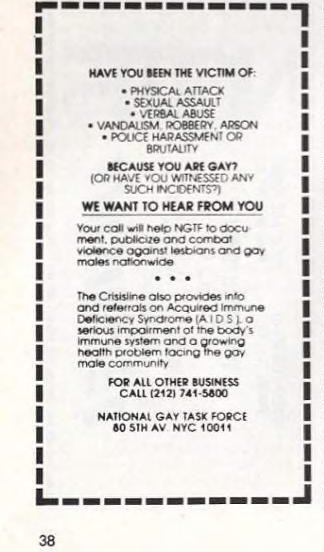
On October 27, 1985, Frank Bert and Steven Russell, both 26 and both diagnosed with AIDS-Related Complex, chained themselves to the door of the old Federal Building at 50 United Nations Plaza, home of the regional office of the U.S. Department of Health and Human Services. (Some accounts spell the name Burt.) KQED reports they wanted to draw attention to an estimated 15,000 San Franciscans with ARC. FoundSF lists the demands: $500 million in federal money for AIDS research, benefits for people with ARC, and FDA approval for treatments already available abroad. Their sign read "We rely on love."
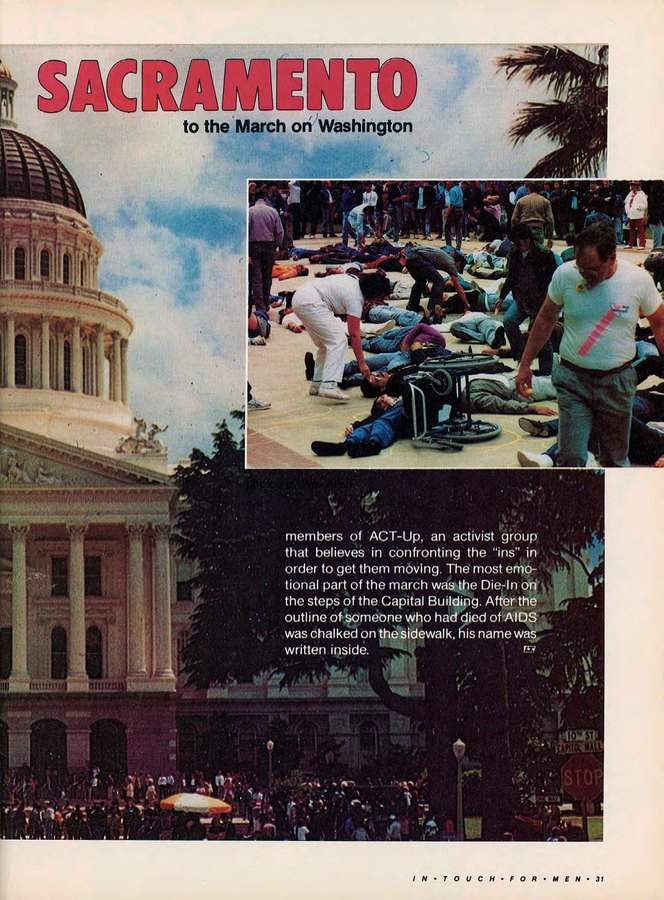
The chains came off and the camp stayed, around the clock. By the end of 1985 about 100 people were involved, some sleeping in tents, and the Board of Supervisors endorsed it. The holidays arrived fast. On Thanksgiving Day 1985, members of the Metropolitan Community Church carried dinner to the plaza, and other supporters brought turkeys. Federal Building employees brought coffee and donuts. A Christmas tree arrived, by the BARchive account from Germany, and carolers sang to the protesters. The Vigil outlasted almost everything around it: it ran for ten years, until a December storm in 1995 wrecked the tents of the last three people still there.
How did the gay bars help?
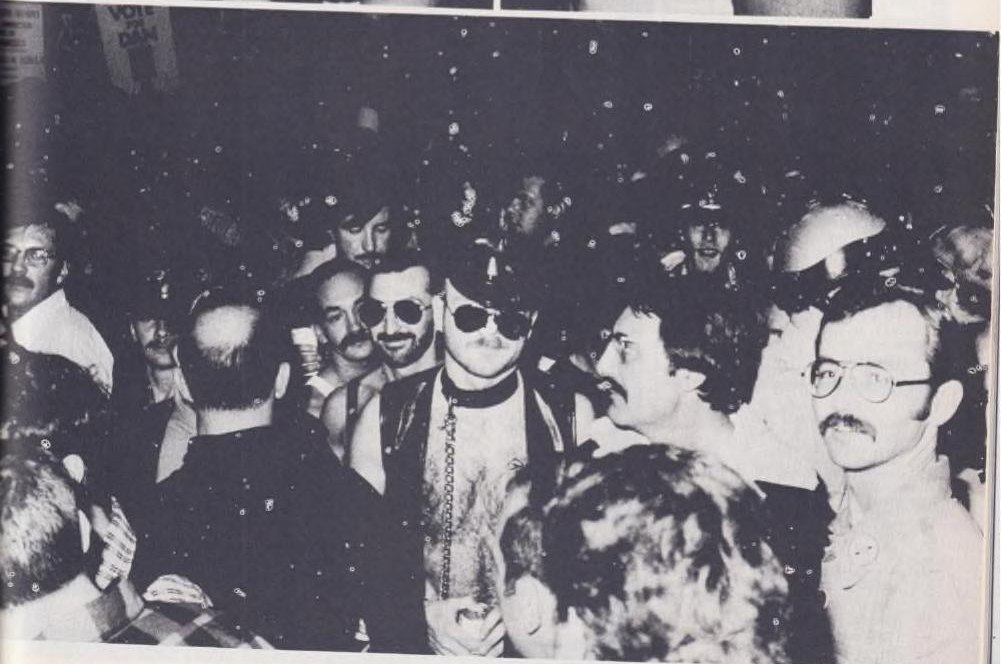
They threw Christmas parties with a purpose. Flanagan's column tracks a run of holiday benefits for the ward through the late 1980s. In 1985 The Eagle held "An Eagle Christmas," a buffet and tree-lighting benefit for Ward 5B. On December 12, 1986, Rockett's fifth annual Family Reunion and Christmas party at the High Chaparral on Market Street raised money for the ward brunches and the patients' Christmas party; Project Open Hand founder Ruth Brinker and columnist Herb Caen came, and guests brought gifts for patients. In 1987 Sutter's Mill gave a Christmas party for the ward staff and Shanti volunteers. In 1988 the "Lights for Life" drive asked for five dollars per Christmas light, for the AIDS Emergency Fund. Rockett also helped with dinners given by Victor Rodriguez of the Elephant Walk, known as Rod or Roxie, who died before 1987.
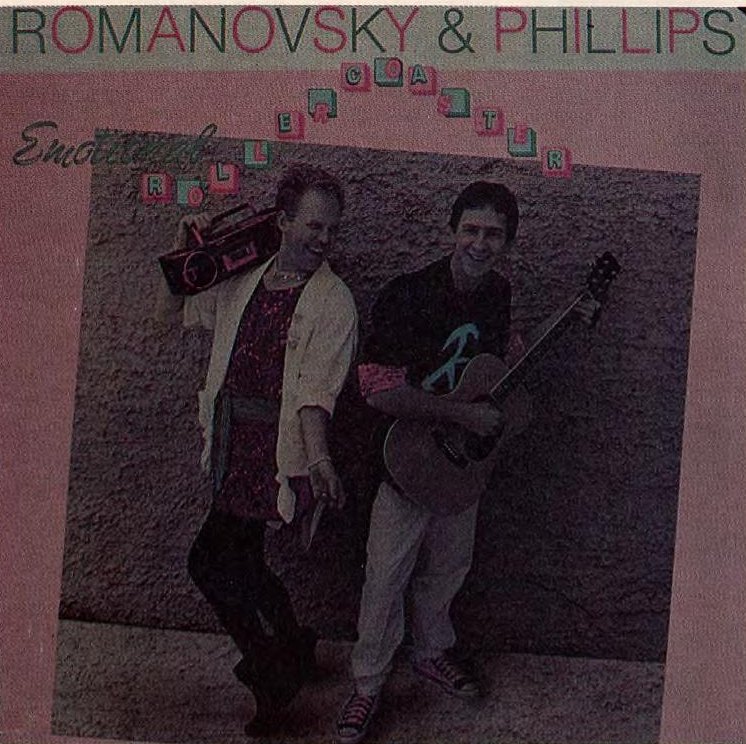
The gay press mixed grief and stubborn humor the same way: by 1988 a record could list "Living With AIDS" beside "Give Me a Homosexual."
What is the World AIDS Day 2026 theme?
"Ending AIDS starts with access," set by UNAIDS, which turns 30 this year. Its report under the same title was scheduled for release on November 24, ahead of the day itself on Tuesday, December 1. The numbers explain the theme. UNAIDS counts 32.1 million people on treatment, but nearly 9 million people living with HIV still without it. In 2025, 1.2 million people acquired HIV and 570,000 died of AIDS-related causes, and external HIV financing fell 18 percent, which UNAIDS calls the largest drop in almost two decades. The fight that started with a vigil and a brunch is not finished.
Quick answers
When was the first World AIDS Day? December 1, 1988. It was proposed by James Bunn and Thomas Netter at the World Health Organization's Global Programme on AIDS in Geneva.
Why is World AIDS Day on December 1? Bunn and Netter chose a quiet news period between Thanksgiving and the winter holidays, so the day would get coverage.
What was Ward 5B? The first dedicated inpatient AIDS unit in the United States, opened at San Francisco General Hospital in 1983 by a team organized by nurse Cliff Morrison.
How long did the AIDS/ARC Vigil last? About ten years, from October 27, 1985, until a December storm in 1995 destroyed the last tents at UN Plaza.
What is the 2026 World AIDS Day theme? "Ending AIDS starts with access," from UNAIDS, focused on access to treatment, rights and funding.