The earliest film people point to as gay is the Dickson Experimental Sound Film, a 17-second Edison test from late 1894 or early 1895 in which two men dance together while W.K.L. Dickson plays the violin. From there the line runs through a sissy cowboy in 1912, a sex-swap comedy in 1914, Chaplin in 1916, the first openly gay-rights film in 1919, Carl Th. Dreyer's Michael in 1924 and the kiss in Wings, 1927. Every American film published in 1930 or earlier is now in the US public domain, so you can watch most of them tonight.
Is the Dickson film really the first gay film?
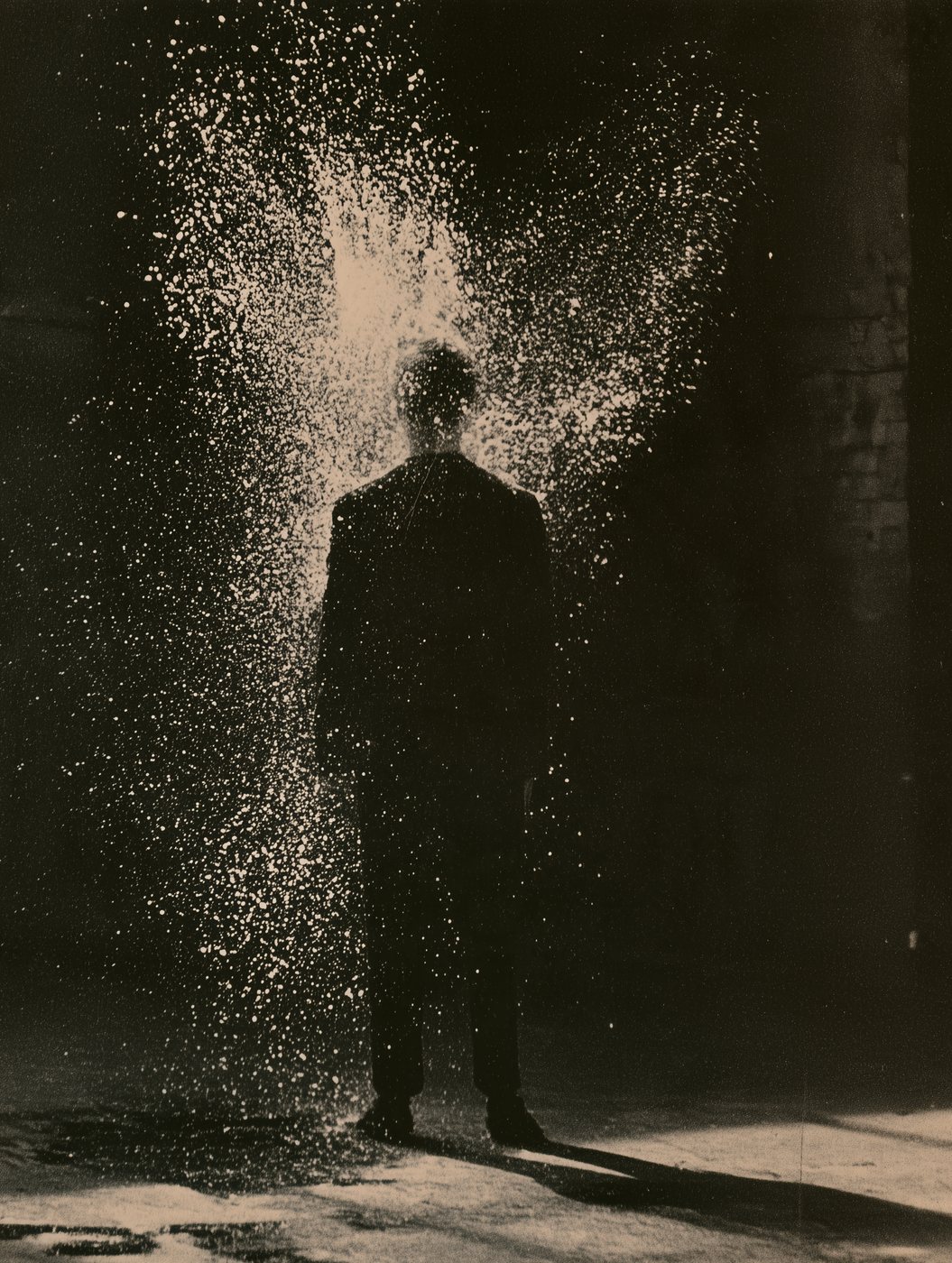
It is the first one people argue about. The Library of Congress dates Edison's sound experiments to fall 1894 and describes a man, possibly Dickson, fiddling into a big recording horn while two men dance. The print came to the Library from the Edison lab in 1964, but nobody matched it to its wax sound cylinder until 1998; editor Walter Murch then synced the two, and the tune turned out to be "Song of the Cabin Boy" from Planquette's operetta Les Cloches de Corneville.
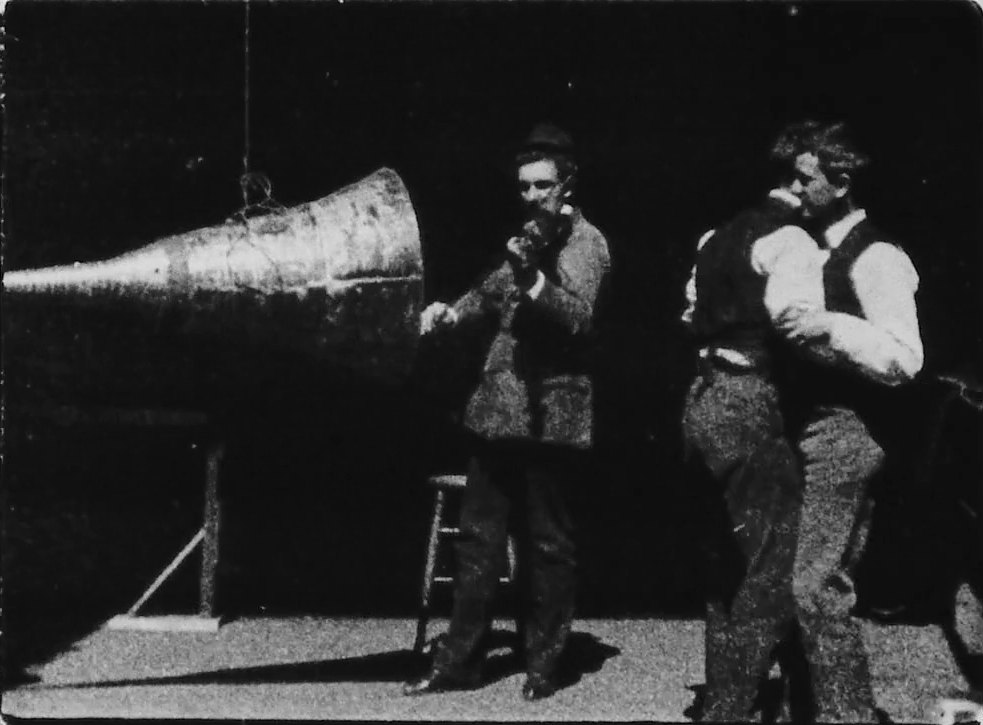
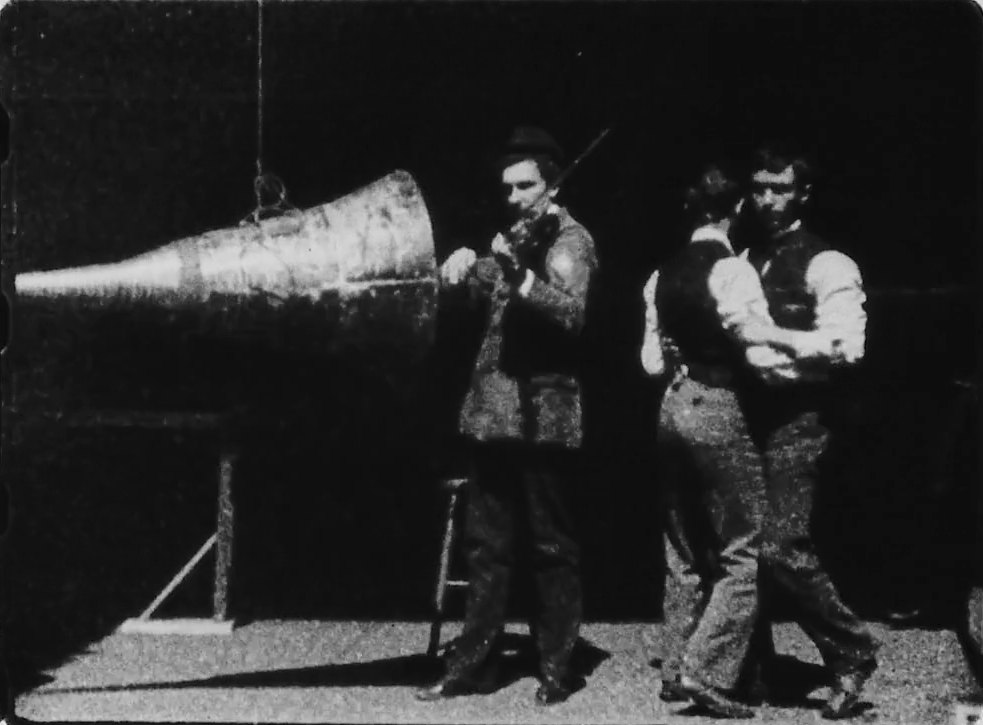
Vito Russo, in The Celluloid Closet, called it "The Gay Brothers." Nothing supports that title, and in the 1890s "gay" did not usually mean homosexual; men dancing together was an ordinary sight. That is the honest answer: two men in shirtsleeves hold each other and turn in a circle, and 130 years later we cannot look away.
Sandow: the first beefcake on film
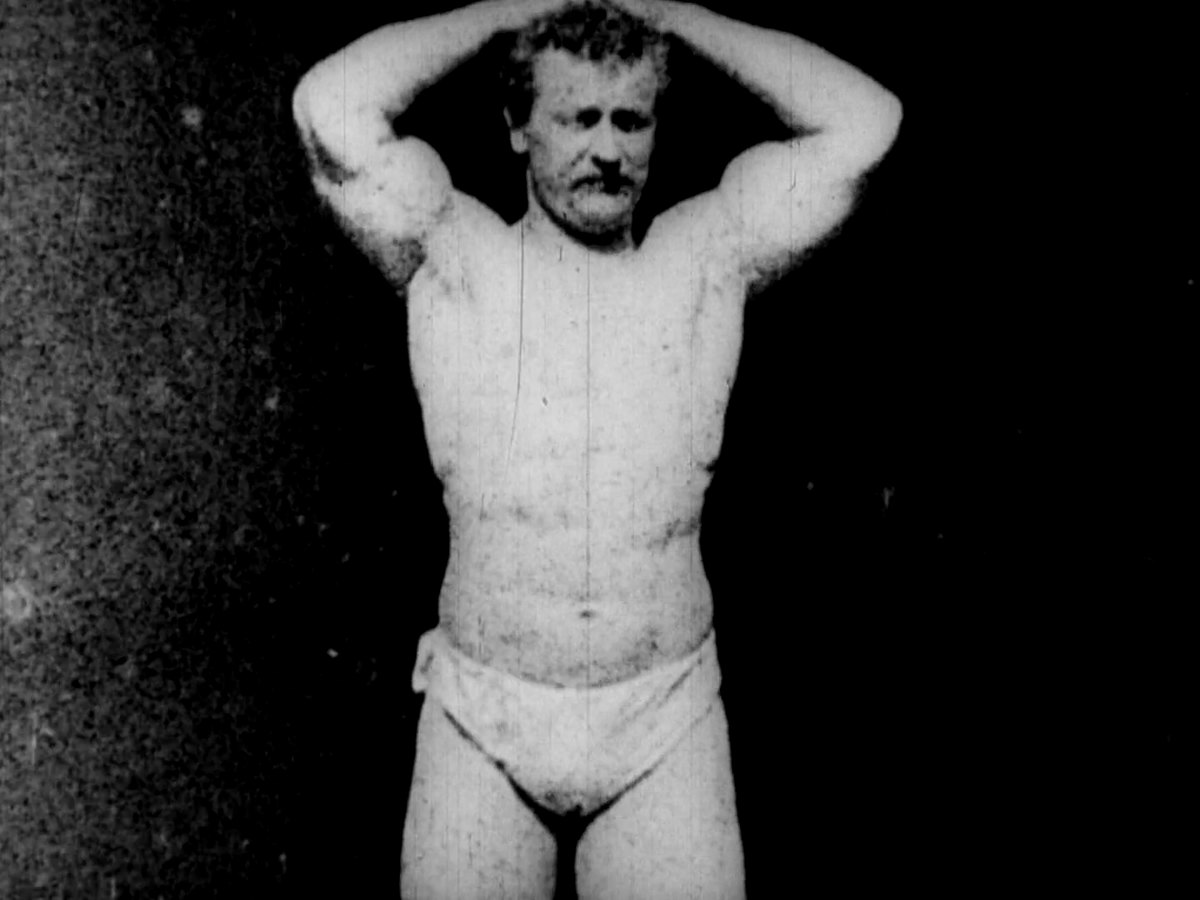
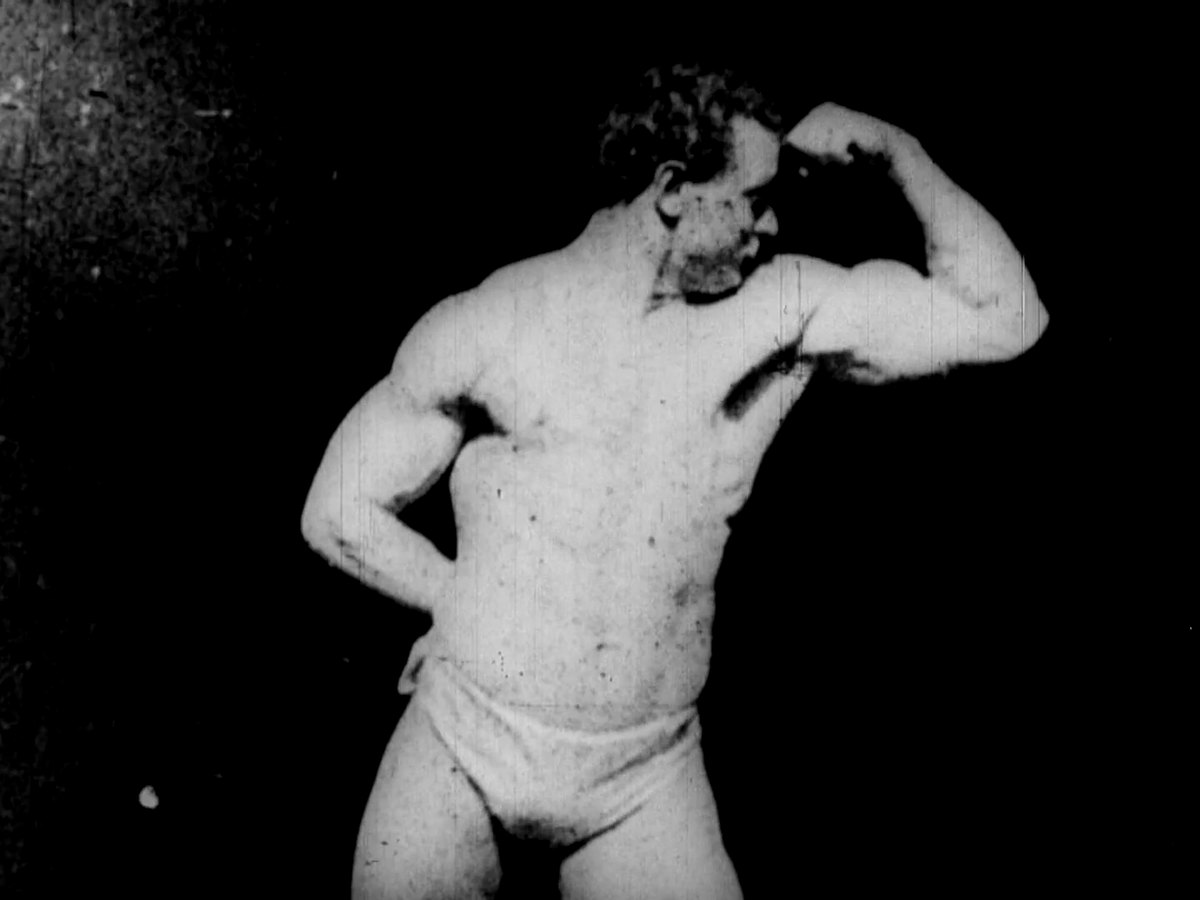
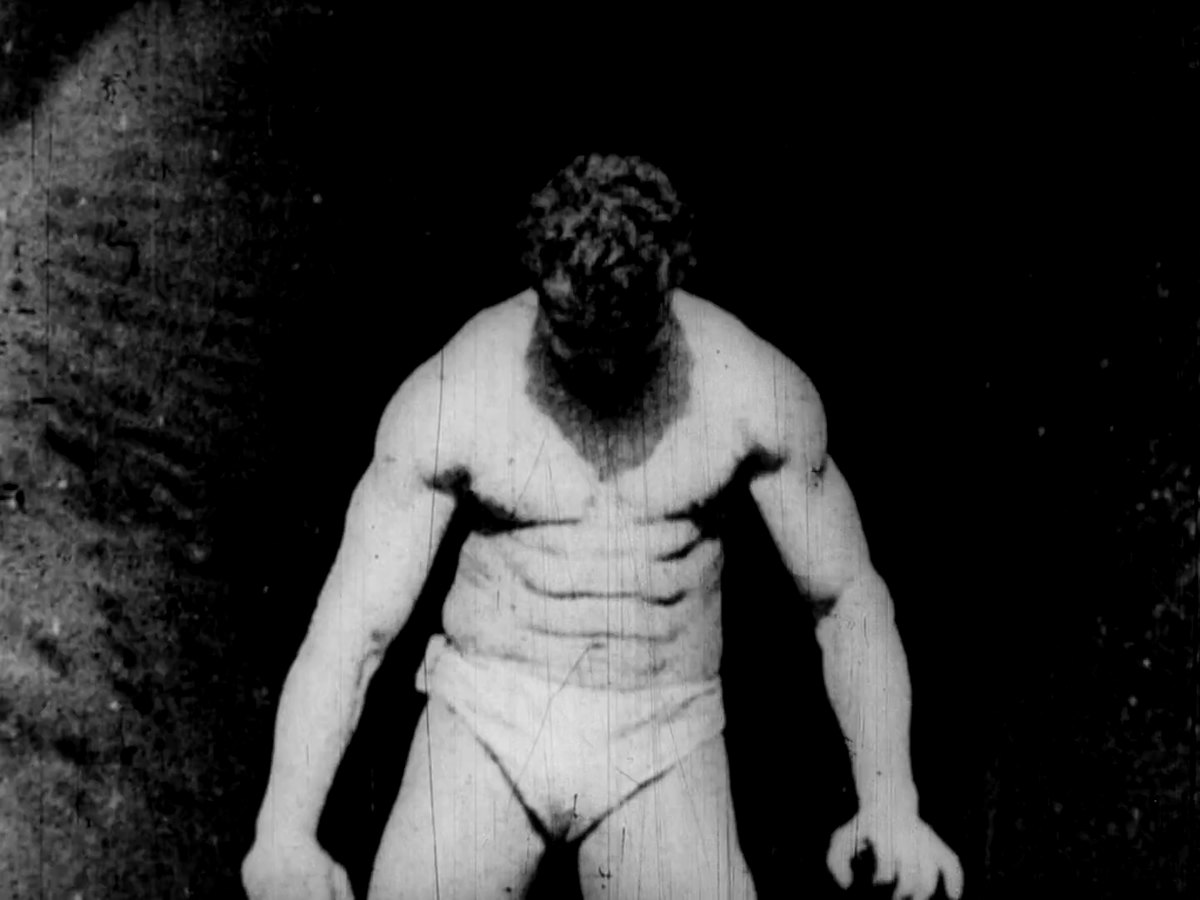
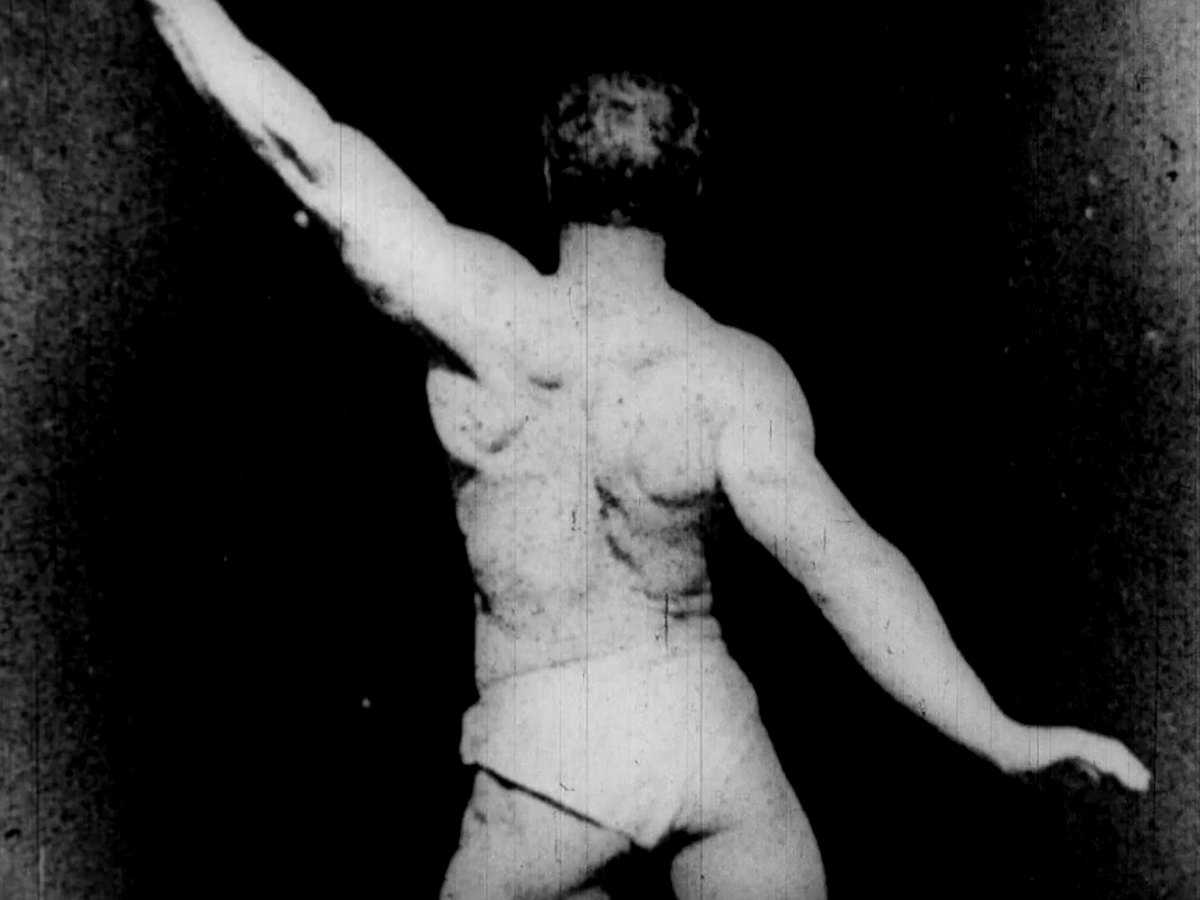
Earlier the same year Edison pointed a camera at a body. On March 6, 1894, Dickson and William Heise filmed the strongman Eugen Sandow flexing in posing briefs for the kinetoscope, the peephole viewer. The film was 39 feet long and went on release that May; a print survives at the Library of Congress. It is not a queer story, but it is the first time a camera was pointed at a man so that people could look at his body, which is the whole history of physique photography in one reel.
Who was Algie the Miner?
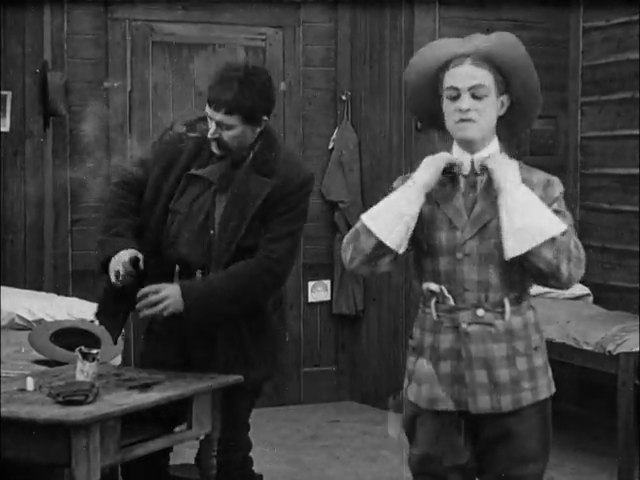
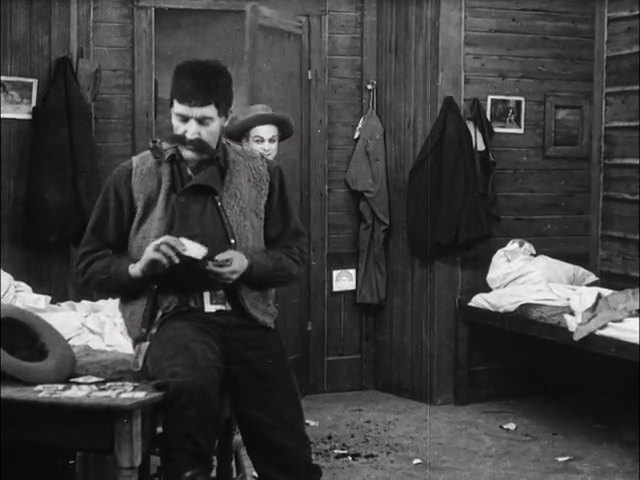
Algie is often called the first queer character in film. Solax Studios released Algie the Miner on February 28, 1912, directed by Harry Schenck, Edward Warren and Alice Guy, who had founded Solax with Herbert Blache. Billy Quirk plays Algie, a fussy dandy in a plaid jacket and lace cuffs who, as TCM puts it, must go West and develop some virility before he can marry his girlfriend. The film historian Richard Barrios put it neatly: Algie is straight only in that he has a girlfriend. The film survives, and Kino Lorber put it out in 2018 in a set made with the Library of Congress and the BFI.
A Florida Enchantment and Chaplin in drag
Vitagraph's A Florida Enchantment came out on August 10, 1914. Sidney Drew directed and played Dr. Cassadene, and Edith Storey played Lillian, who swallows a magic seed and becomes Lawrence. Scholars read it as one of the first American films with bisexual characters. Be warned that it also uses blackface, and that is part of the record too.
Two years later Charlie Chaplin made Behind the Screen for Mutual, released November 13, 1916. Edna Purviance disguises herself as a male stagehand, Chaplin kisses her, and the bully Goliath (Eric Campbell), thinking he has caught two men kissing, minces at them until he gets a boot in the backside. The joke is on the man who is scandalized.
Different from the Others: the first gay rights film
In 1919 in Berlin, director Richard Oswald and the sexologist Magnus Hirschfeld made Anders als die Andern, Different from the Others, with Conrad Veidt as the violinist Paul Koerner. It was pulled from public exhibition within 15 months of its premiere, and Germany brought back film censorship in 1920 partly because of it. The Nazis destroyed prints after 1933. A single partial print survived in Moscow at Gosfilmofond; the Munich Filmmuseum reconstructed it, and UCLA restored it as part of the Outfest UCLA Legacy Project. It runs about 48 minutes, with added titles that fill the gaps.
Michael, 1924
Carl Th. Dreyer's Michael premiered in Berlin on September 26, 1924. Erich Pommer produced it at Decla-Bioscop, part of Ufa, from Herman Bang's 1902 novel. Benjamin Christensen, the director of Haxan, plays Zoret, an aging painter, and Walter Slezak plays Michael, the model he loves and loses. It was released in the US as "The Story of the Third Sex," and Kino held its US copyright until it entered the public domain in 2020.
The kiss in Wings, 1927
William Wellman's Wings, starring Buddy Rogers, Richard Arlen and Clara Bow, was the first film to win Best Picture. Near the end, after the battle of St. Mihiel, Jack (Rogers) gives his dying friend David (Arlen) what Filmsite calls a lingering kiss on the mouth. Nobody in 1927 called it gay. Watch it and decide for yourself.
Where can you watch these films for free?
The Internet Archive has copies of all eight. The Dickson film, Sandow, Algie the Miner, A Florida Enchantment, Behind the Screen, Michael and Wings carry public domain marks there. Two cautions: a modern score or restoration added to an old film can be protected on its own, and the archive.org copies of Different from the Others are likely taken from the modern reconstruction, so check the credits before you reuse anything.
Quick answers
What is the first gay film? The Dickson Experimental Sound Film (Edison, 1894-95), with two men dancing, is the usual answer, though nothing shows it was meant as gay. Algie the Miner (1912) is often called the first film with a queer character, and Different from the Others (1919) the first to argue for gay rights.
Are silent films public domain? In the US, works published in 1930 or earlier are public domain as of January 1, 2026. Restorations, new scores and added intertitles can carry their own copyright.
Who made Different from the Others? Director Richard Oswald, who co-wrote it in 1919 with the Berlin sexologist Magnus Hirschfeld. Conrad Veidt stars.
Is the kiss in Wings the first gay kiss on film? Filmsite calls it the first male-male kiss on the lips, but we have not found that confirmed elsewhere. It is the first in a Best Picture winner.