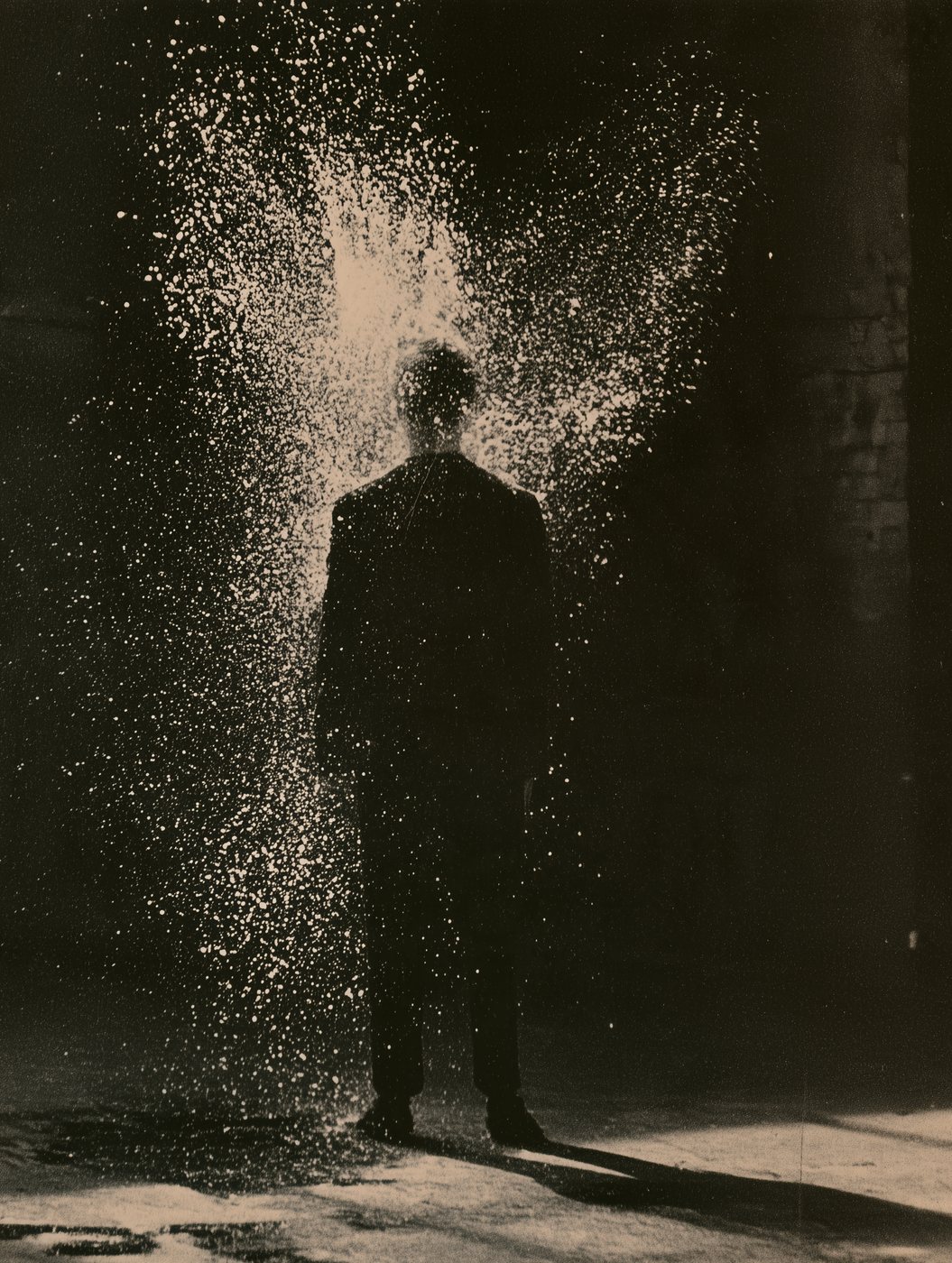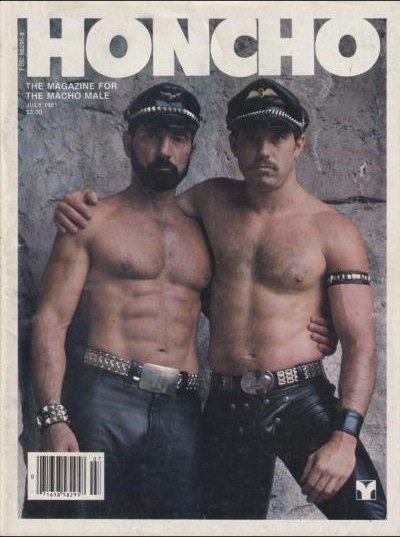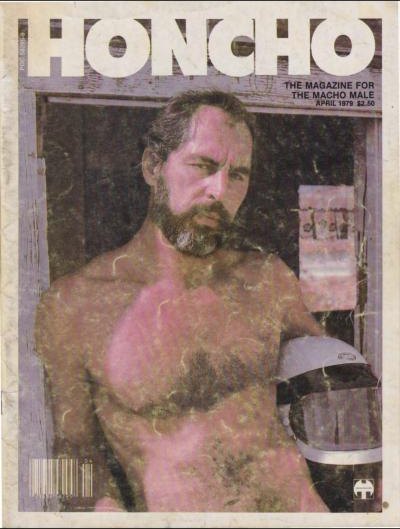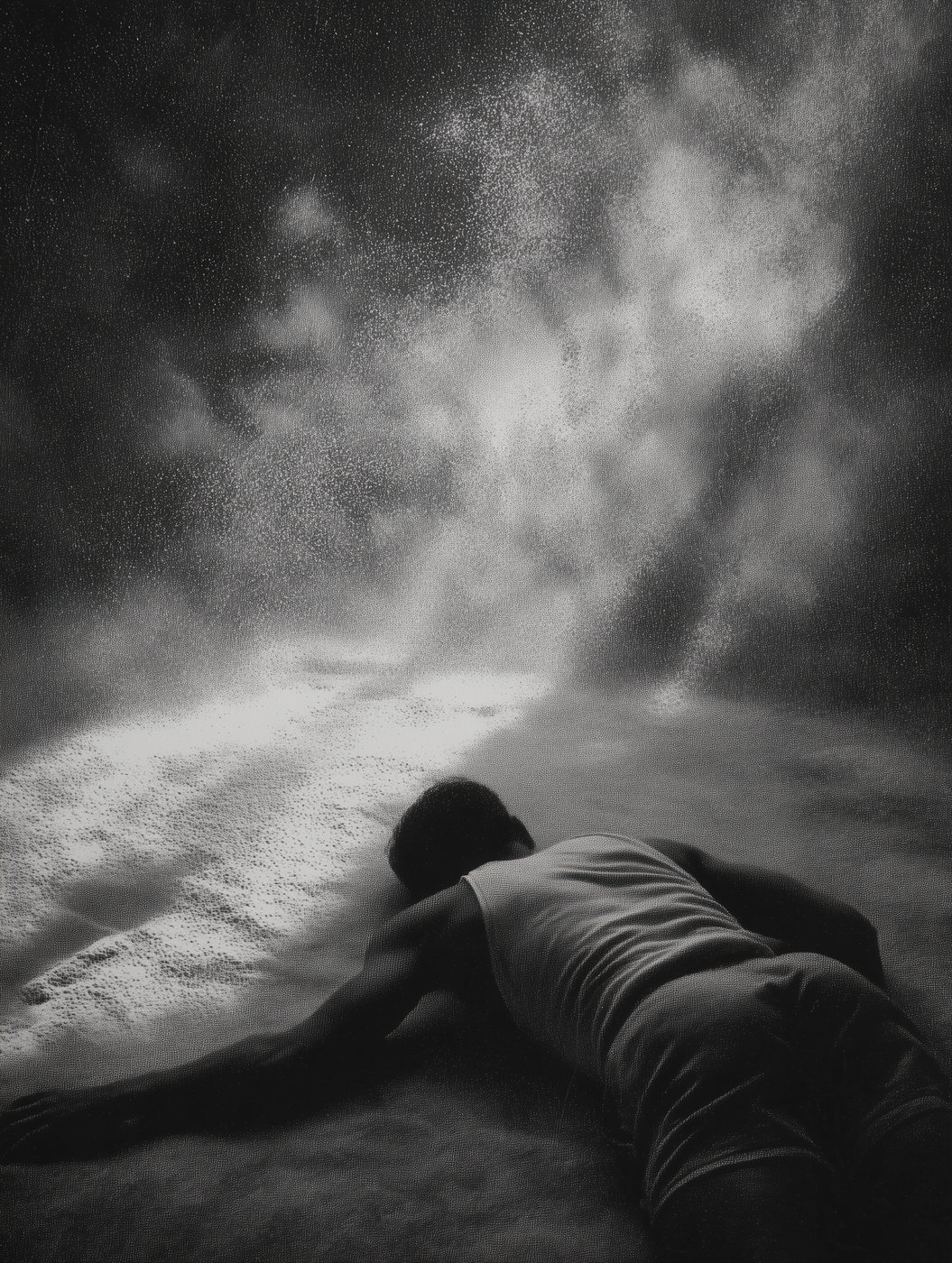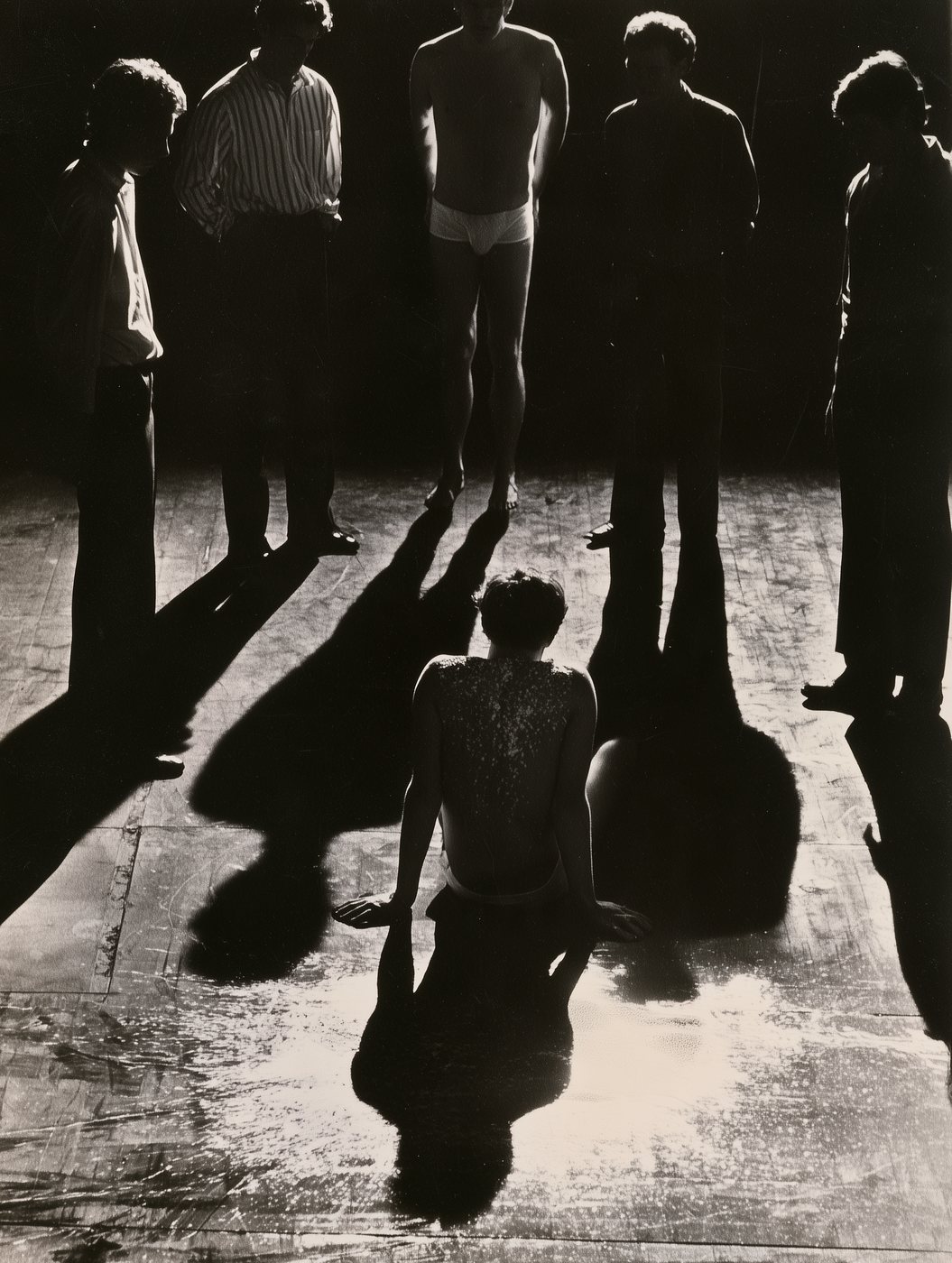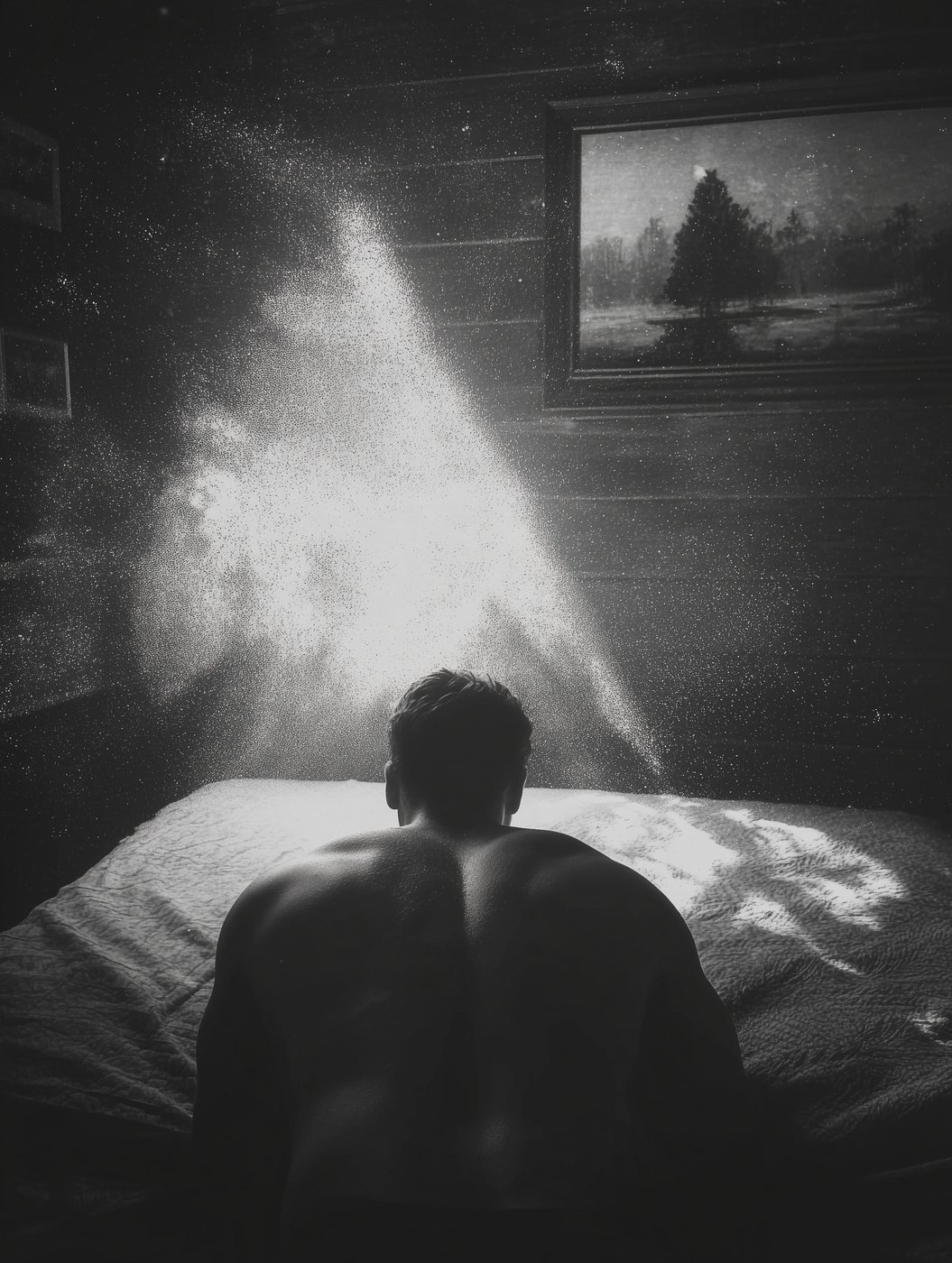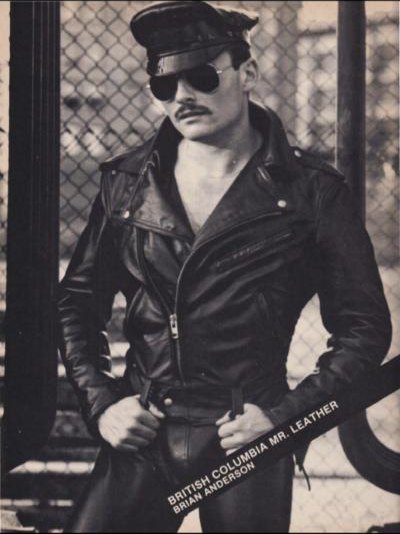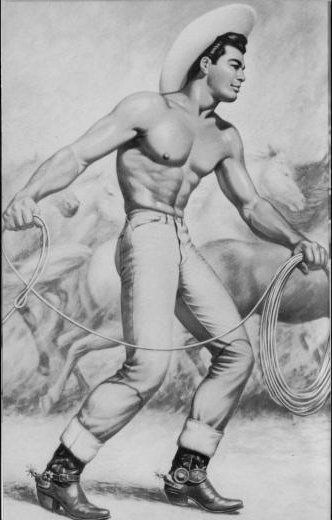
On the art marketplace Catawiki, searches for "homoerotic" rose 175 percent from 2023 to 2024, and it is now one of the most searched art terms on the site. As far back as 2015 the V&A in London found "homoerotic" among its top ten search terms.
Catawiki makes a sharp point about the older work: for most of the twentieth century, artists and collectors needed an alibi, some other quality like composition or scenery that justified looking. The history of homoerotic art is really a history of alibis.
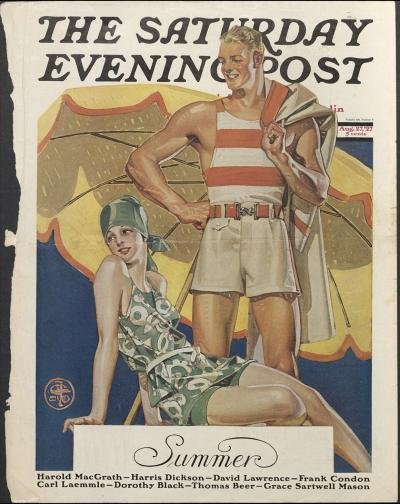
Alibi one: advertising
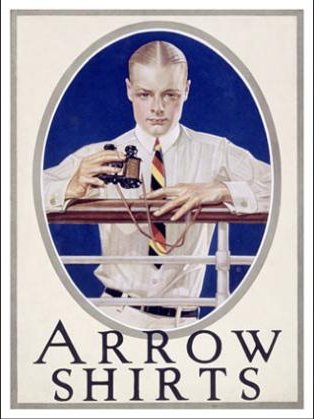
J. C. Leyendecker sold shirts, collars and suits with men so beautiful that the Arrow Collar Man got fan mail. The man in the ads was often his partner, Charles Beach. Nobody had to explain why they had torn the page out.
Alibi two: the Wild West
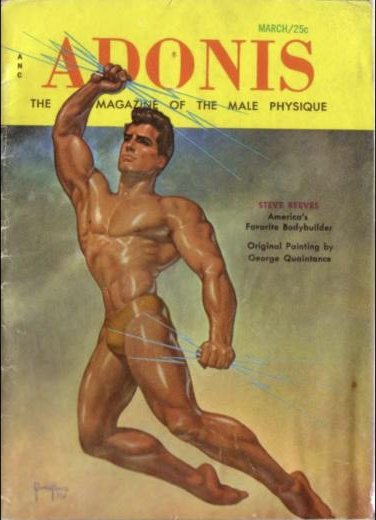
George Quaintance painted cowboys bathing in creeks and wrangling in red dust, and sold them as Western art. The muscles were anatomically optimistic. More on the cowboys here.
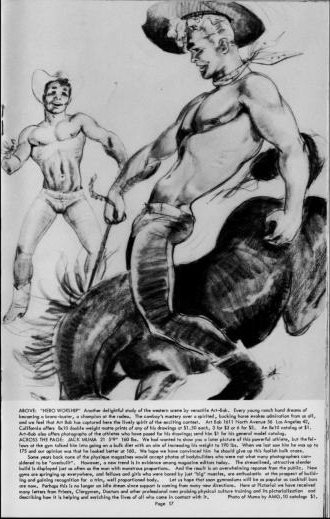
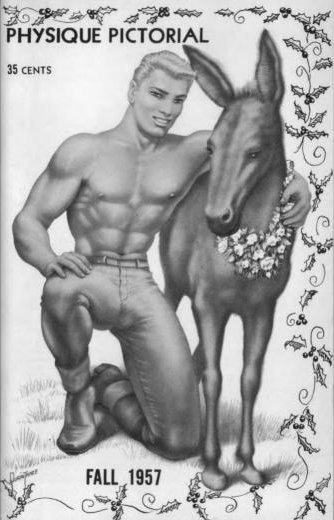
Alibi three: fitness
The physique magazines claimed to be about health and classical form. The Etienne calendar put a different cowboy on every month, and you could hang it in the kitchen because it was, technically, a calendar.
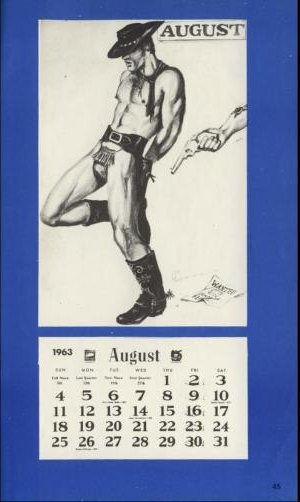
No alibi
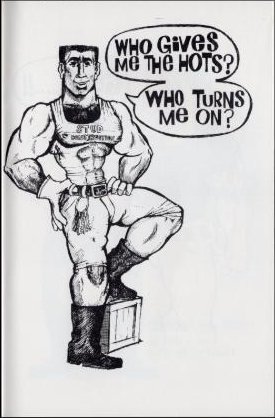
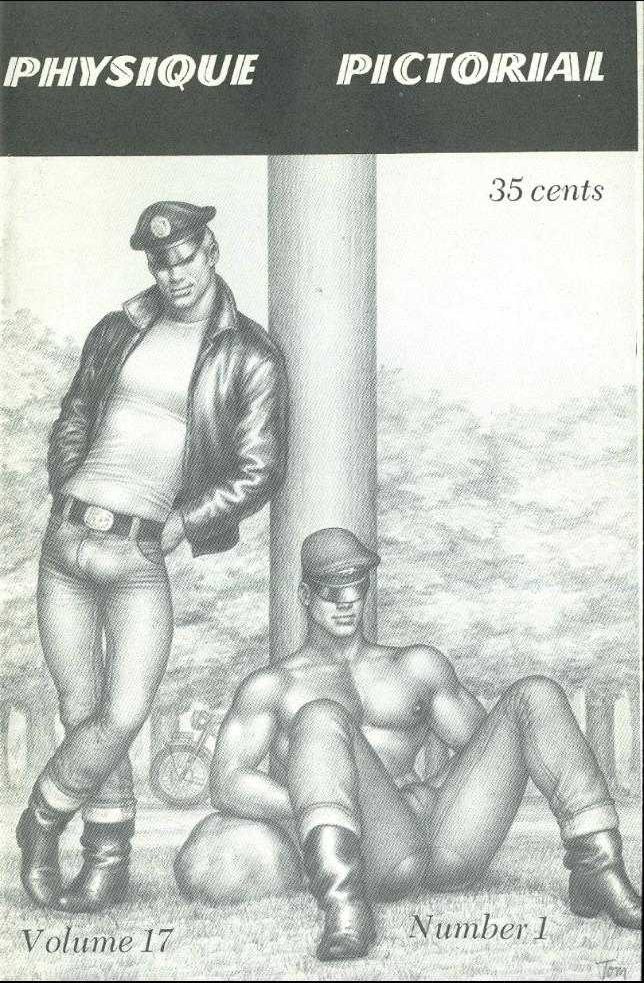
Tom of Finland arrived in Physique Pictorial in 1957 and simply drew what he wanted, cropped by editors when the law required. His sailors and bikers made no excuses, which is why they still look modern. Read the origin story.
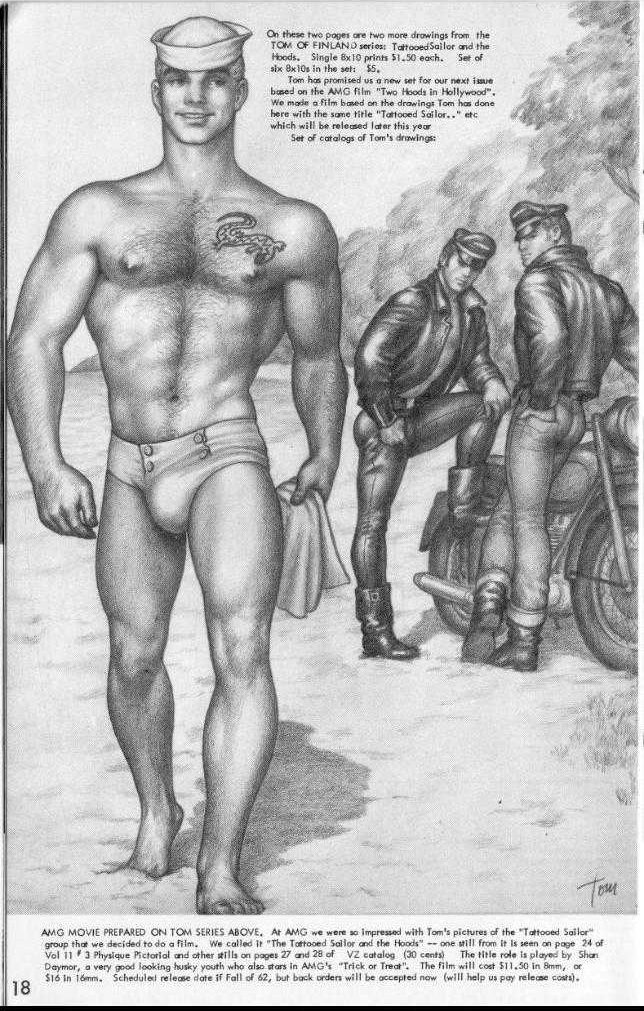
The history of homoerotic art is a history of alibis.
2026
This summer a Los Angeles show framed more than 70 artists as heirs to Tom of Finland, and Luke Evans wore a Met Gala look inspired by him. The work that once had to hide in a calendar now hangs in galleries. If you want to hang it at home, start here.