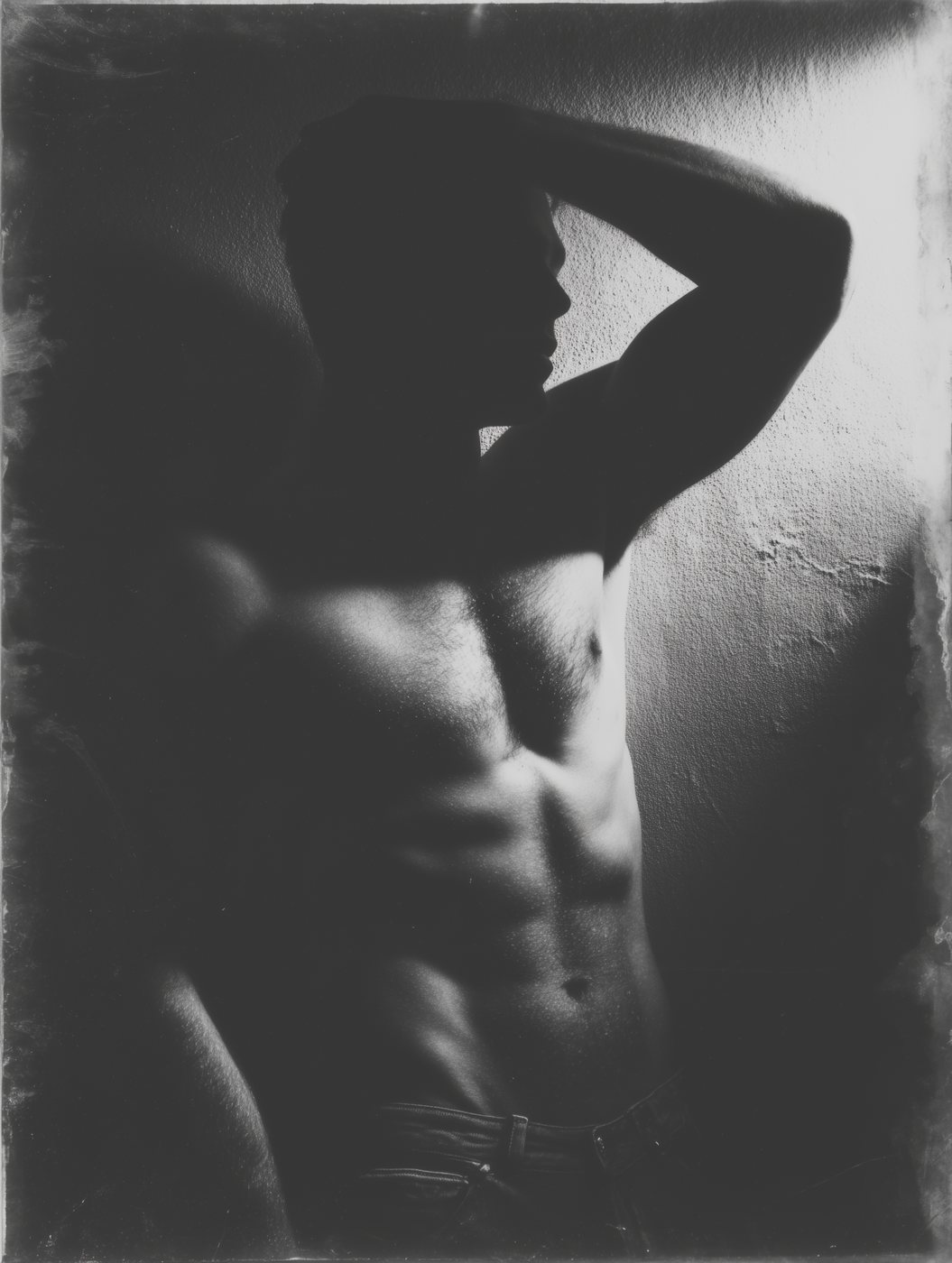
Grindr's own editorial team asked the question everyone had been thinking: why does every gay guy have a mustache now? The celebrity version of the trend has names attached: Timothée Chalamet, Jacob Elordi and Pedro Pascal are this year's most-cited faces, and the beauty press has a name for the look, the "slutty little mustache." Lovely. Now look at the archive.
The clone
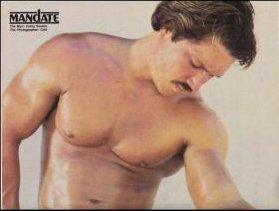
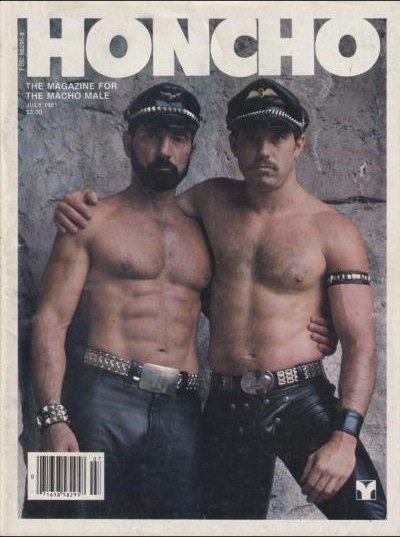
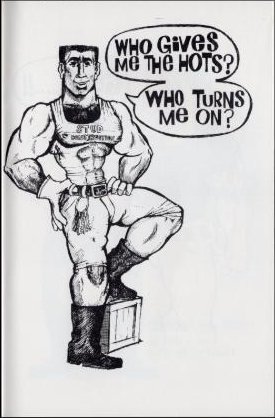
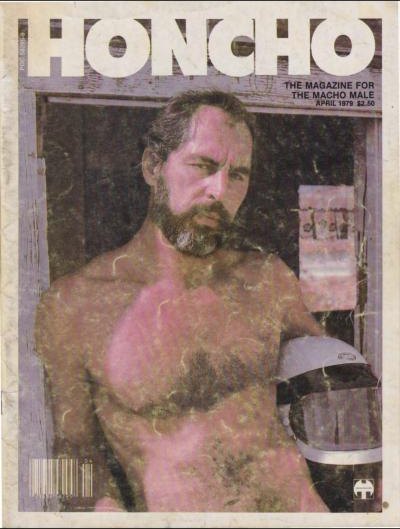
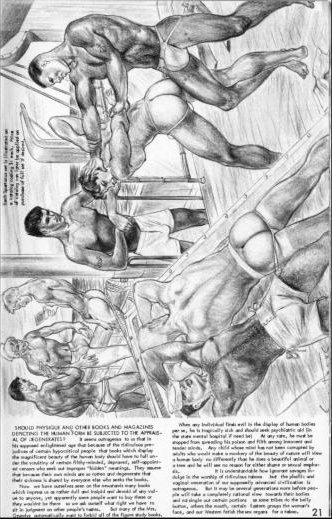
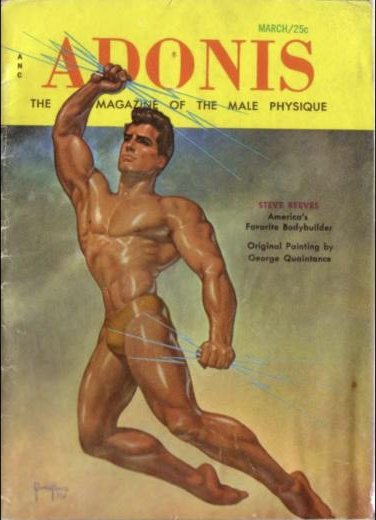
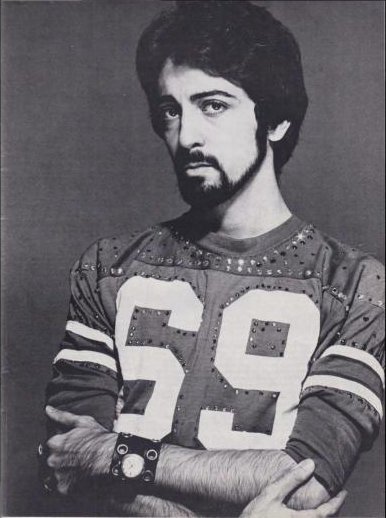
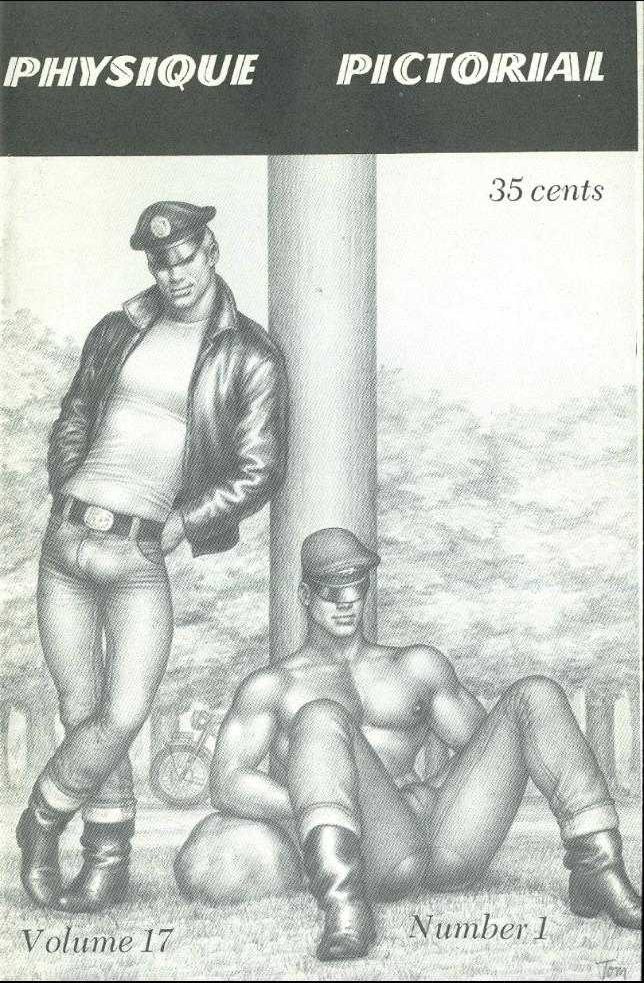
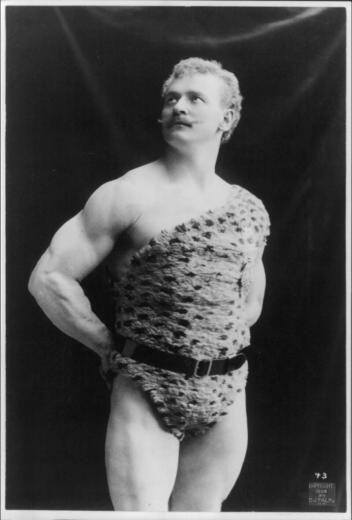
In the late 1970s, on Castro Street in San Francisco, gay men landed on a uniform: flannel or a tight white tee, Levi's, boots, a bomber jacket, and a full mustache. The activist Arthur Evans named it in a series of posters he wheatpasted around the neighborhood: the clones. The sociologist Martin Levine later wrote the book on them, Gay Macho, arguing the look was a way to throw back the old insult that gay men were failed men. The style spread through the New York monthlies, Mandate, Playguy and Honcho, whose pages were full of it, and through the films of the era.
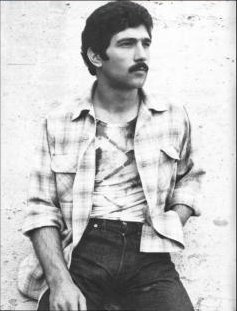
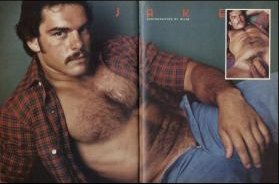
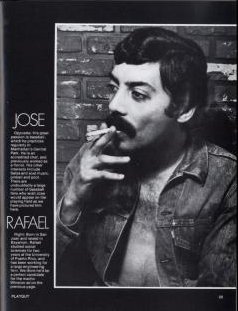
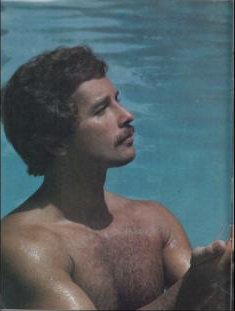
Even the Village People were cast this way. When their producers went looking for singers, their ad in the Village Voice asked for macho types and added one requirement: must have mustache.
The clones wore it as armor. 2026 wears it as a wink.
Freddie
Freddie Mercury grew his in the early 1980s, reportedly inspired by the gay club scene in San Francisco, and wore it as part of a look that was flamboyant and coded at once. Stadiums full of people sang along to a man in the clone uniform.
1984: the contest
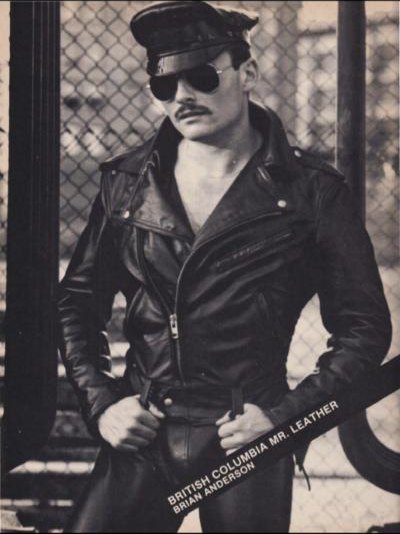
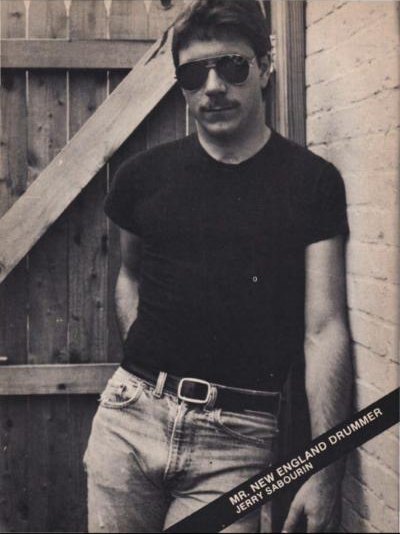
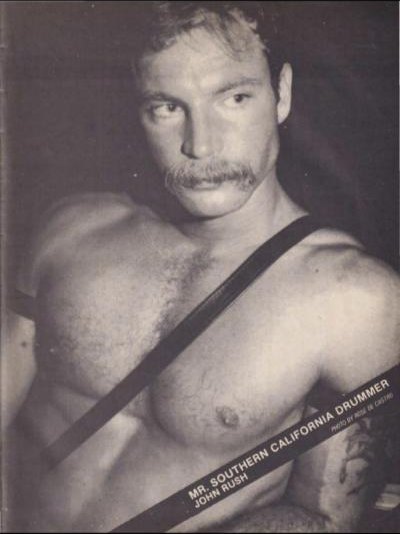
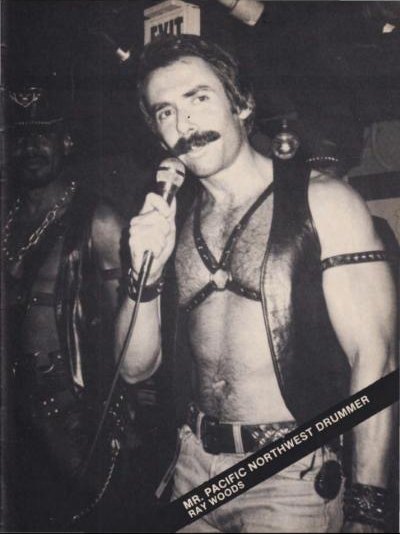
By 1984 the mustache had a podium. That year's regional Mr. Drummer winners, the title contest run by Drummer, the leather magazine, could have been cast from one barbershop: Southern California with a handlebar and a single chest strap, New England in aviators against a fence, British Columbia in a Muir cap and a zipped biker jacket.
2026
The difference now is tone. The clone wore his as armor, a way of looking like the men who had bullied him. This year's version, Grindr points out, travels with a broader workwear moment of Carhartt and heavy boots, and wears it with a wink. Either way, it is the same three-quarter inch of hair, doing the same job. The mustache never left. It just waited for everyone else to come back.